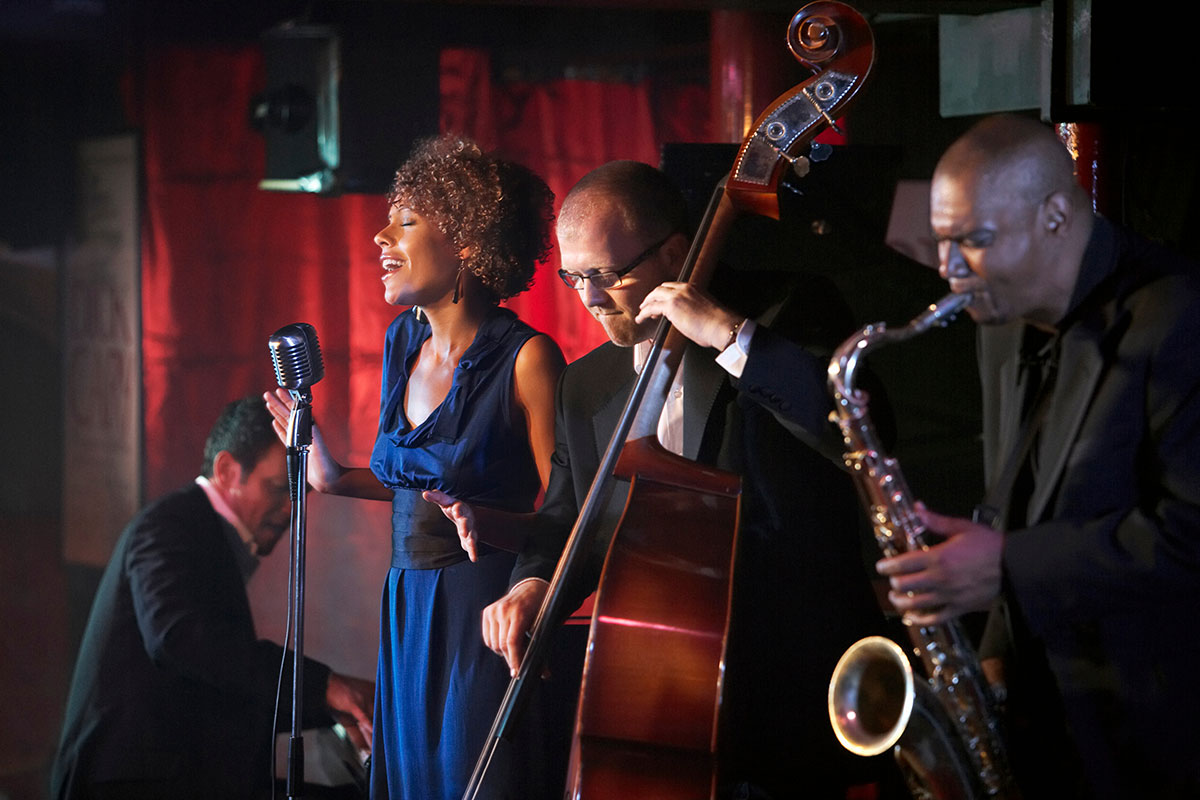
Music has long served as a way for people to communicate experiences that can be difficult to express through ordinary conversation. A melody can evoke a memory, while a lyric can give language to an emotion that may otherwise remain difficult to define. For Sundas Naqvi, storytelling is an important part of that relationship between music and human experience. As an independent jazz and folk vocalist and songwriter in Chicago, she approaches music as an opportunity to share observations, emotions, and stories that listeners can recognize within their own lives.
The Relationship Between Music and Story
Storytelling in music does not always require a traditional beginning, middle, and end. A song can capture a single moment, describe an emotion, or present a particular perspective on an experience. Jazz and folk traditions both demonstrate the ability of music to communicate meaning through interpretation, rhythm, melody, and lyrical detail.
Sundas’s interest in these traditions developed during her university years, following an early introduction to music through school choirs and community performances in southern England. Jazz appealed to her because of its emphasis on interpretation and musical interaction, while folk music offered a direct and often intimate approach to storytelling. Together, these influences helped shape her understanding of music as both an artistic practice and a form of communication.
Her performances often combine jazz standards with contemporary folk influences. This approach allows her to work within familiar musical traditions while bringing her own perspective to the material. Interpretation becomes an important part of the process because even a well-known song can communicate something different depending on the performer, setting, and audience.
Finding Meaning in Ordinary Experiences
Some of the most effective stories are found in ordinary moments. Family relationships, personal challenges, changing circumstances, friendships, and quiet observations can all provide material for creative work. These experiences may appear unremarkable at first, but music can give them greater emotional context.
Sundas is particularly interested in themes of storytelling, resilience, family, and the everyday experiences that connect people. Rather than relying exclusively on dramatic events, her approach recognizes that meaningful stories can emerge from familiar aspects of daily life. A conversation, a memory, a neighborhood, or a moment of reflection can become the starting point for a song.
This perspective also creates opportunities for listeners to bring their own experiences into the music. When a song describes an emotion that feels familiar, the listener can connect the artist’s story with a personal memory. The resulting experience is not necessarily identical for everyone, but the emotional connection can be shared.
The Role of the Performer
Storytelling through music depends on more than lyrics. Vocal tone, phrasing, rhythm, timing, and emotional interpretation all influence how an audience receives a song. This is particularly evident in jazz, where performers often have opportunities to interpret familiar material in distinctive ways.
For Sundas, performing in different settings provides an opportunity to explore this relationship between artist and audience. A neighborhood jazz lounge may create a different atmosphere from an intimate coffeehouse or private event, yet each environment can encourage meaningful engagement. The size of the audience does not necessarily determine the significance of the performance.
The performer also has a responsibility to remain attentive to the audience. Music is a shared experience, and the atmosphere of a room can influence how a song is interpreted. This exchange is one reason live performance remains important to Sundas’s work. It provides an immediate connection that cannot always be replicated through recorded music alone.
Chicago as a Source of Stories
Living and performing in Chicago has expanded Sundas’s opportunities to observe different communities and experiences. The city’s neighborhoods, architecture, independent businesses, cultural events, and music venues provide a diverse environment for creative observation.
Her interest in photography and exploring Chicago’s historic neighborhoods complements this aspect of her artistic life. Photography encourages attention to details that might otherwise be overlooked, while songwriting can transform similar observations into sound and language. A street, building, conversation, or passing moment can become part of an artist’s broader creative vocabulary.
Chicago’s musical history also provides an important context for her work. Performing within a city known for its contributions to jazz and other musical traditions offers opportunities to engage with a cultural history that continues to influence contemporary artists.
Creating Connection Through Honest Expression
At the center of Sundas’s musical philosophy is the belief that music can bring people together through shared stories and emotions. Authenticity is important to this process. Listeners are often responsive to performances that feel sincere because genuine emotional expression creates room for audiences to identify with the material.
Her work as a vocalist and songwriter is therefore not simply about presenting songs. It is about creating moments in which people can pause, listen, and recognize something meaningful. Whether performing a jazz standard or sharing an original composition, she seeks to make the experience personal without requiring every listener to have the same interpretation.
Storytelling gives music this ability to connect individual experiences with broader human themes. For Sundas, that connection is one of the reasons music remains such a meaningful part of her life. Through jazz, folk influences, songwriting, and live performance, she continues to explore how simple stories can become shared experiences.